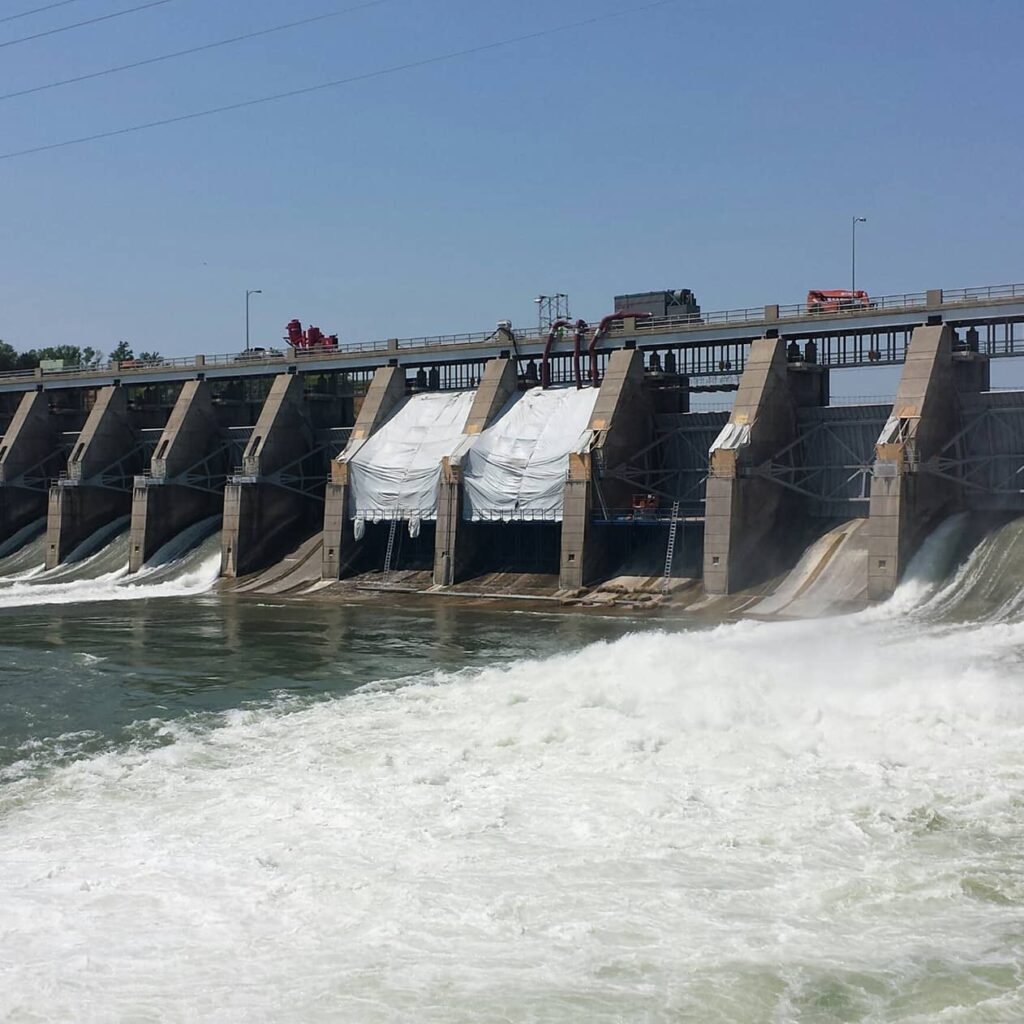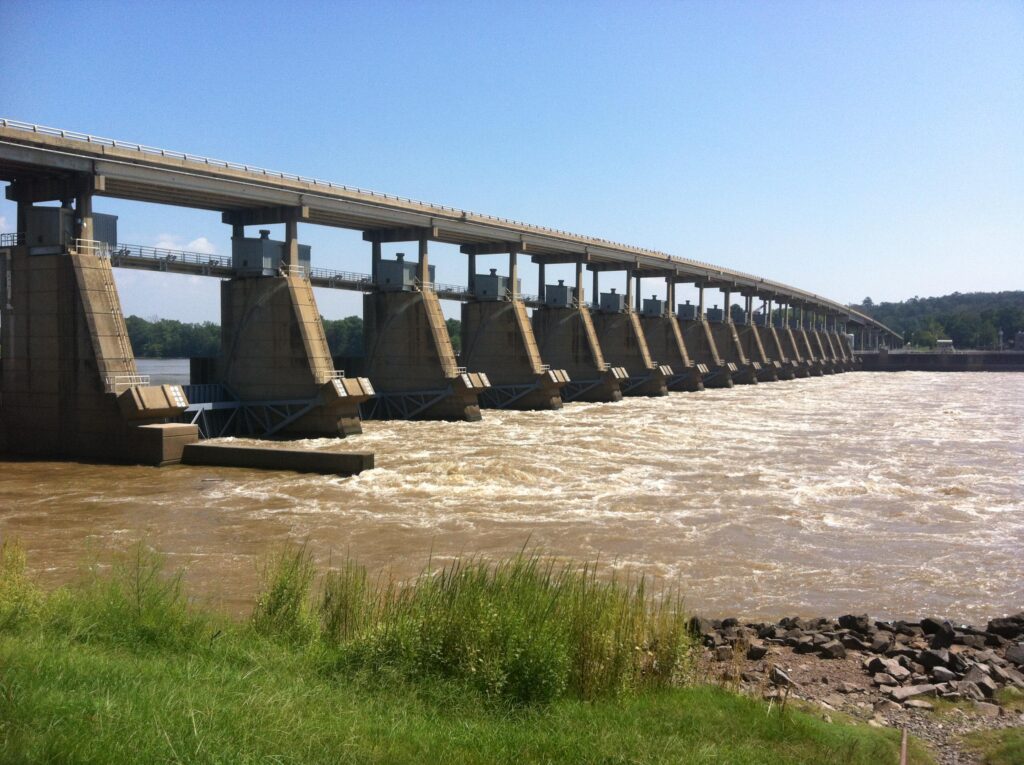
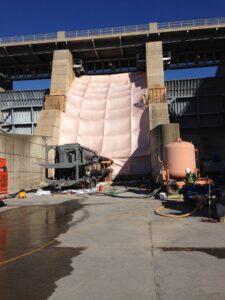
Fort Randall Dam, operated by the U.S. Army Corps of Engineers (USACE) Omaha District, is a major multipurpose dam on the Missouri River at River Mile 880.0, located near Pickstown, South Dakota.
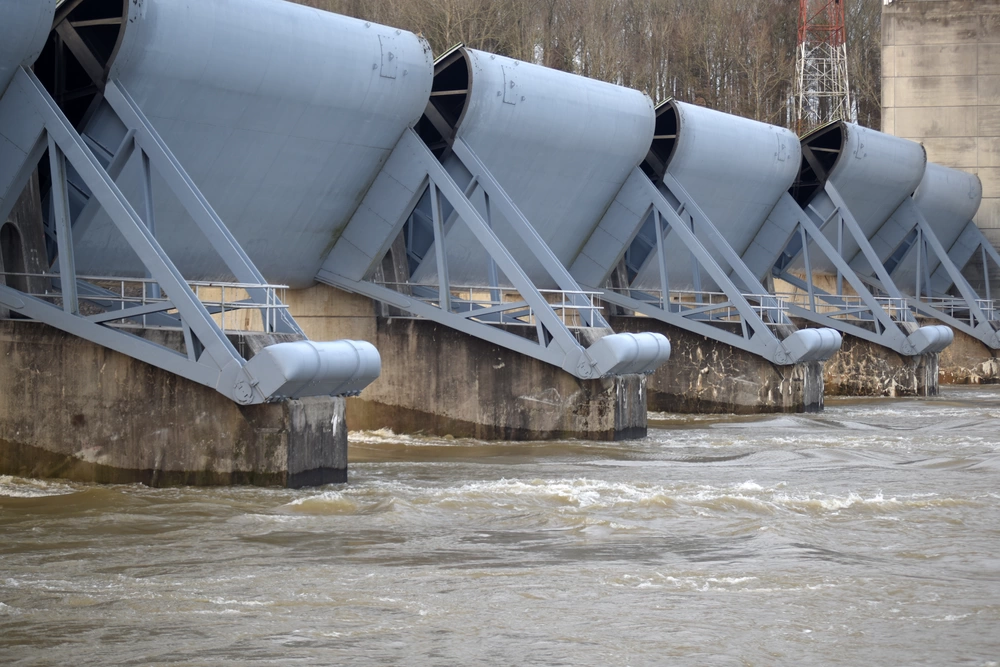
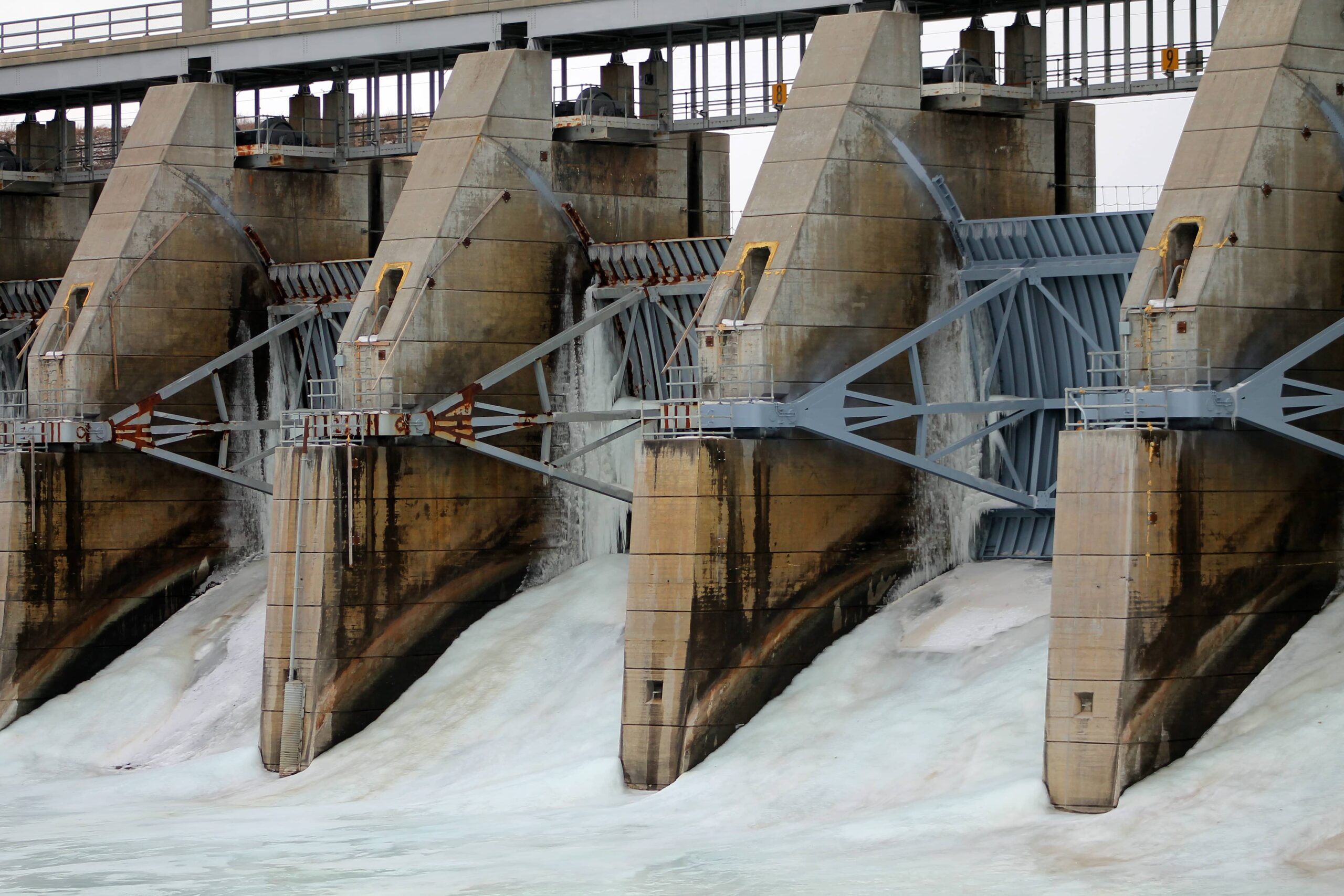
The severe 2011 Missouri River flood—driven by record rainfall and snowpack—impacted the Tainter gates at Fort Randall Dam (21 gates). Rehabilitation was required while the dams remained fully operational for flood control, hydropower, and reservoir management, under fluctuating water levels, restricted access, and high-stakes environmental sensitivity adjacent to the reservoir.
These demands required exceptional self-performance capability, innovative on-site solutions, rigorous safety/environmental controls, and strong project management to deliver without compromising dam functionality or regional water/flood needs.
Through a strategic design-build partnership, Paragon—working closely with Black & Veatch (structural engineering design services)—delivered comprehensive rehabilitation of the 21 tainter gates, restoring structural integrity, operational reliability, and long-term resilience.
Paragon self-performed 100% of the AMPP Class 1A containment setup, negative-pressure abrasive blasting, and full paint removal with advanced coating application protocols—all executed while the dams remained in active service with no interruptions to flood control or hydropower operations.
Paragon also assumed 100% project management responsibility, overseeing the entire design engineering firm (Black & Veatch), all subcontractors, field operations, and coordination with the USACE Omaha District Design Office and prime team. This centralized leadership ensured unified execution, rapid decision-making, and alignment across scopes.
To navigate live conditions and environmental constraints, Paragon deployed customized work platforms, specialized rigging systems, real-time reservoir level monitoring, and in-house AMPP-certified teams. These innovations enabled safe, efficient work in elevated/wet environments and full containment/blasting without environmental releases.
The project achieved outstanding results: zero lost-time incidents, zero environmental incidents, and completion 12 months ahead of schedule—delivering exceptional value to USACE, minimizing downstream impacts, and supporting regional water supply and flood protection needs.
This collaborative effort with the USACE set a benchmark for safe, high-performance infrastructure rehabilitation on active Missouri River dams.